Grain of Wheat
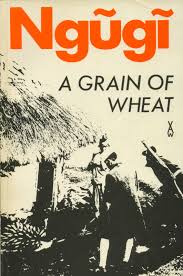


In this novel writer talked about many percepective like colonialism, nationalism, freedom, anti colonial, rebellion etc.
In A Grain of Wheat, Britain’s colonization of Kenya is the context against which its characters are formed as well as the primary political tension of the book. Ngugi Wa Thiong’o, himself a native Kenyan, uses this context and development of his characters to explore the moral aspect of colonization from both the perspective of the British and rural Kenyans. Ngugi's narrative argues that, although both the colonizer and the colonized feel morally justified in their pursuits, colonialism is ultimately an immoral and oppressive practice, justifying the colonized people’s struggle for freedom, even through violent.
Character study of Friday in Robinson Crusoe
Friday. In the course of time, Friday places
himself in the position of Crusoe and functions as an alter ego of Robinson Crusoe. In his twenty four years of
isolated life, Crusoe builds up his own world, his own kingdom with miraculous talent, hard work, and
creativity. He manages to have food, gun, water, fire, shelter, and livestock−the resources quite enough for his
survival. Even he keeps the Bible to get religious solace. Yet, he lacks a companion, a friend, a trusted comrade
who will make his life comfortable. Later nature gifts him Friday who serves Crusoe and gradually transforms
himself as the other self of Crusoe.


In A Grain of Wheat, Britain’s colonization of Kenya is the context against which its characters are formed as well as the primary political tension of the book. Ngugi Wa Thiong’o, himself a native Kenyan, uses this context and development of his characters to explore the moral aspect of colonization from both the perspective of the British and rural Kenyans. Ngugi's narrative argues that, although both the colonizer and the colonized feel morally justified in their pursuits, colonialism is ultimately an immoral and oppressive practice, justifying the colonized people’s struggle for freedom, even through violent.
Character study of Friday in Robinson Crusoe
Friday. In the course of time, Friday places
himself in the position of Crusoe and functions as an alter ego of Robinson Crusoe. In his twenty four years of
isolated life, Crusoe builds up his own world, his own kingdom with miraculous talent, hard work, and
creativity. He manages to have food, gun, water, fire, shelter, and livestock−the resources quite enough for his
survival. Even he keeps the Bible to get religious solace. Yet, he lacks a companion, a friend, a trusted comrade
who will make his life comfortable. Later nature gifts him Friday who serves Crusoe and gradually transforms
himself as the other self of Crusoe.
Comments
Post a Comment